
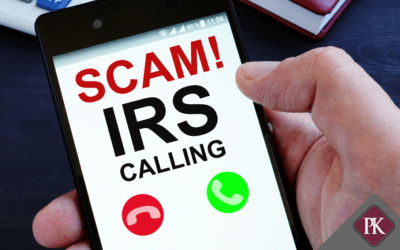
IRS Releases the 2026 “Dirty Dozen” Tax Scams List
12 schemes taxpayers and businesses should watch for this year
Each year, the IRS publishes its “Dirty Dozen” list of tax scams to warn taxpayers, businesses, and tax professionals about the most common fraud schemes targeting tax and financial information. Below are the 12 key scams taxpayers should watch for in 2026.
- IRS Impersonation Through Email and Text (Phishing & Smishing)
- Scammers send emails, texts, or social media messages pretending to be from the IRS.
- Messages often include urgent language, fake refund claims, or QR codes leading to fraudulent websites.
- Clicking these links may install malware or ransomware on a taxpayer’s device.
- The IRS does not initiate contact through unsolicited email or text messages.
- AI-Generated IRS Phone Scams
- Fraudsters use robocalls, voice mimicry, and spoofed caller IDs to impersonate IRS agents.
- Calls may threaten arrest or demand immediate payment.
- The IRS generally contacts taxpayers by mail first, not by threatening phone calls.
- Taxpayers should be cautious relying on AI-generated tax advice or calculations without verification.
- Fake Charities
- Criminals exploit disasters or tragedies to create fraudulent charitable organizations.
- Donations may be solicited through email, phone calls, or social media.
- Tax deductions are only allowed for donations made to IRS-recognized tax-exempt organizations.
- Misleading Tax Advice on Social Media
- Viral “tax hacks” often encourage taxpayers to claim credits or deductions they do not qualify for.
- Filing a return based on misinformation can lead to:
- Refund delays
- IRS audits
- Penalties
- Potential criminal exposure
- Identity Theft Targeting IRS Online Accounts
- Criminals use stolen personal information to access IRS Online Accounts or impersonate helpers during account setup.
- Taxpayers should:
- Create accounts directly through IRS.gov
- Avoid third parties offering unsolicited help with account creation.
- Abusive Undistributed Capital Gains Claims (New for 2026)
- The IRS has seen an increase in fraudulent use of Form 2439 (Notice to Shareholder of Undistributed Long-Term Capital Gains).
- Schemes involve:
- Fabricated credits
- Overstated investment income claims
- Use of fake investment funds or real estate trusts.
- Improper filings can trigger refund delays, audits, and enforcement action.
- Bogus “Self-Employment Tax Credit” Promotions
- Promoters advertise a broad “self-employment tax credit” that many taxpayers do not qualify for.
- These schemes often originate from social media promotions promising large refunds.
- The IRS is closely reviewing these claims.
- “Ghost” Tax Preparers
- A ghost preparer:
- Prepares a return but refuses to sign it, or
- Does not include a Preparer Tax Identification Number (PTIN).
- This is a major red flag.
- Taxpayers remain legally responsible for everything filed on their return.
- Inflated Non-Cash Charitable Contributions
- Some schemes involve overvalued property donations, including:
- Art
- Conservation easements
- Other non-cash assets
- Promoters may claim these donations can eliminate large amounts of tax liability.
- Overstated Withholding Schemes
- Scammers encourage taxpayers to fabricate wage or withholding amounts to generate larger refunds.
- False reporting may involve:
- Forms W-2 or W-2G
- Forms 1099 (various types)
- Schedule K-1 withholding claims
- The IRS compares reported amounts with third-party records, and mismatches often lead to penalties.
- Spear-Phishing Attacks Targeting Tax Professionals
- Cybercriminals frequently target tax firms and businesses with emails disguised as:
- New client inquiries
- Document requests
- Secure file transfers
- These emails may contain malicious attachments or links designed to steal client data.
- Aggressive Offer in Compromise Marketing (“OIC Mills”)
- Some firms advertise unrealistic promises of “pennies on the dollar” tax settlements.
- Many taxpayers do not qualify for the program.
- These promoters often charge high upfront fees regardless of eligibility.
KEY TAKEAWAYS
- Scams evolve every year, especially during filing season.
- The IRS primarily initiates contact by mail, not email, text, or threatening phone calls.
- Avoid relying on social media tax advice without professional verification.
- Work with qualified tax professionals who sign the return and provide a PTIN.
- Verify charities and tax relief services before providing money or personal information.
____
When IRS matters escalate, they demand more than technical knowledge. They require sound judgment, procedural fluency, and experience on both sides of the table. At Price Kong, our Tax Controversy practice is built to meet that challenge head-on and help clients move forward with confidence. If you or a client are facing an IRS audit, collections activity, payroll tax enforcement, or escalating compliance issues, early consultation can make a meaningful difference. Mark Sullivan can be reached at [email protected] or 602.776.6382.